Fall is here, what does that mean for training?
Hey everyone, Adam Witkowski here.
September has arrived and for us as skiers that usually means a change in how we are training. Throughout the summer we have been focusing on building our aerobic base. We do this by targeting most of our sessions as easy level 1 training while adding in some level 3 intervals and speeds as well. Level 1 training is done around 50-70% of your max heart rate while your blood lactic level is around 1mmol/L.
Level 3 training is done around 80-90% of your max heart rate and we aim for 2.5-4mmol/L for our lactates.
About 80-85% of our training in the summer months is spent in level 1 and each week we add in around 1.5-2 hours worth of level 3 intervals.
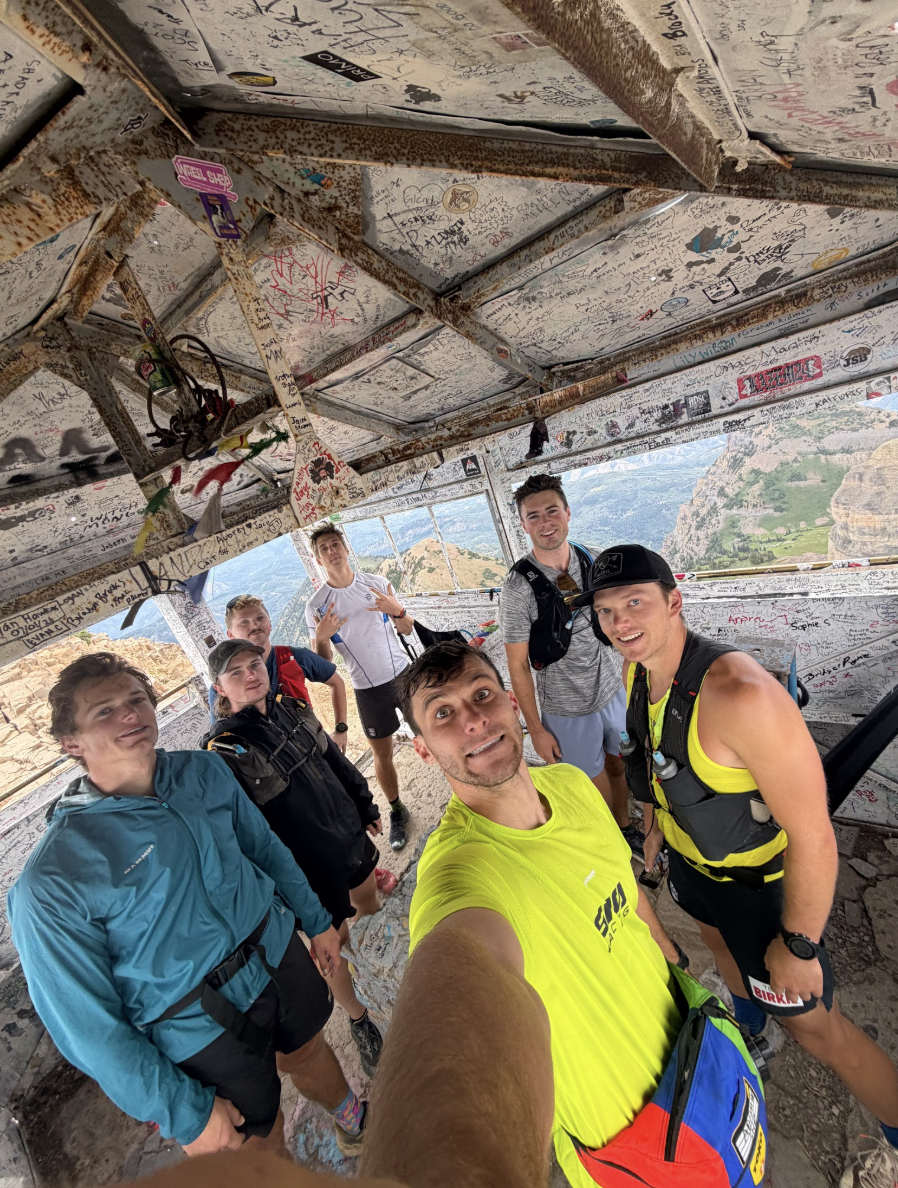
Training this way allows us to spend large amounts of time slightly stressing our bodies while not putting us in a hole that we can never recover from. This year we also had a two week camp in Park City, Utah, which is at 7,000ft above sea level. There we focused mostly on easy level 1 training to promote building our red blood cell count.
When we transition into fall training, our goals slightly shift. The fall is the time to start tuning our top end so that when race season comes we are ready. We still need to have a good focus on volume training, as we don't want to cut our hours too much, but we shift our focus more on higher intensities. The simplest breakdown you will find with most top pro’s is 2-3 hours a week less than in the summer and replacing a level 3 interval session with a level 4 session. Another big change you will find in most people's training is that our over distance sessions get shorter. In the summer it can be common to see 4-5 hour workouts but as we get into the fall we see our overdistance workout of the week closer to 3 or 3.5 hours. With the added stress of increasing our zone 4 training, we don't need to over stress our bodies on easier days. Even with the less total volume for the week, by adding in some harder training we see the overall load for the week is similar to what it is in the summer.
One of my new favorite skiing podcasts has recently talked about managing “high risk” training. When adding in more higher intensity intervals, you're automatically adding in more high risk training. So by slightly decreasing our total volume, and long OD’s, we are eliminating a high risk workout. The fall also sees a higher risk of getting sick as cold weather arrives and people go back to school etc.
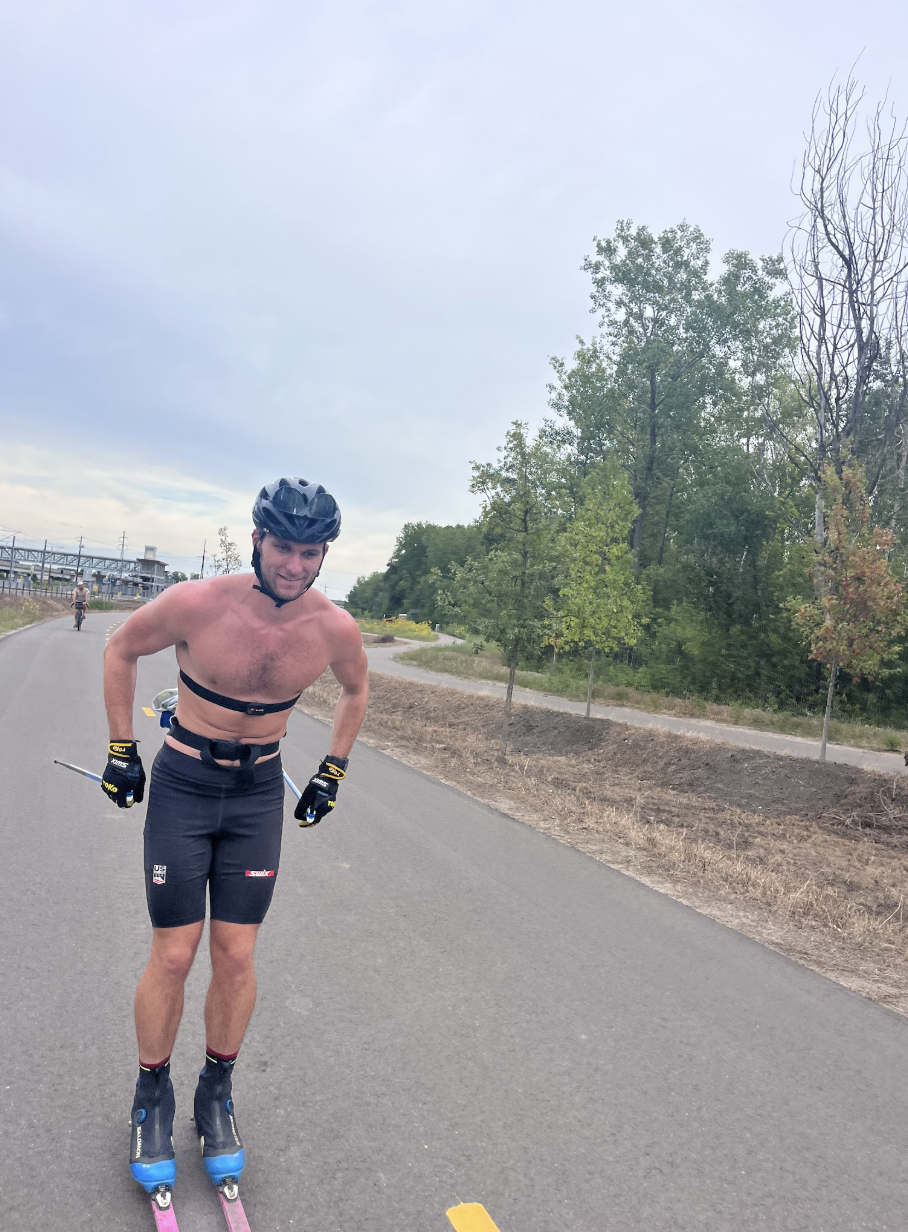
On a more personal note, I really like using the fall to hone in on my speed. As I tend to be more of a sprinter, I put more of a focus on training for those races. This year I have not been able to put too much of an emphasis on specific sprint training yet but throughout this fall I will make sure to have at least one specific sprint session a week. This usually means I either change one of the interval workouts into more of a sprint interval or a change the speed session of the week to a short interval workout.
There has been a lot of advancement in sprint training over the past few years as we have seen more training studies from coaches around the world as well as skiers specifically training for sprint races. The workout that I have found to be my favorite is 45 second intervals. I normally do 8-12x45 seconds with 2.5 minutes of rest between and a longer 10 minute break at the halfway mark. The intervals are done at about 103% of sprint qualifier pace so they become taxing quickly.
Other variations of this workout are 1 on 4 off for 10 reps at qualifier pace or 40 seconds on, 20 seconds off, 20 seconds on at qualifier pace for 6 reps. All of these workouts are used to help push our ability to hold our max speed with the goal of being able to do our qualifiers better. By adding in a sprint specific workout once a week for the next two months, I know that come the first races I will have confidence to ski at my very best.